
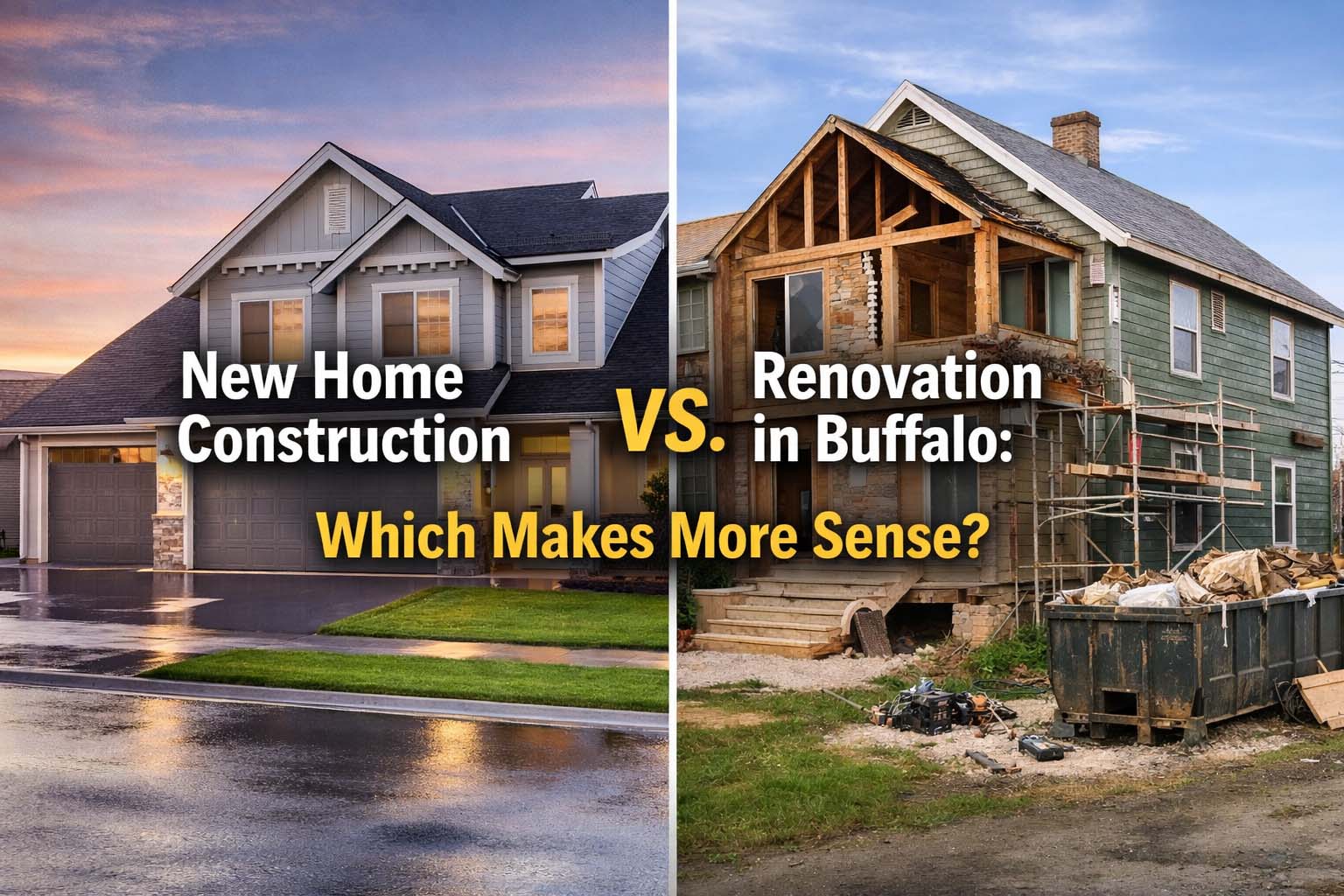
New Home Construction vs. Renovation in Buffalo: Which One Makes More Sense?

When you’re thinking about your next home project in the Buffalo region—whether you’ve outgrown your current space, want modern features, or are chasing a lifestyle upgrade—the first big decision is often the same: Should I renovate my existing home… or build a new one? Both paths have clear benefits, but choosing the right one depends on your goals, budget, site conditions, and long-term plans.

Here’s a balanced look at both options to help you make a confident decision.

New Home Construction vs. Renovation

1. Understanding the Options

New Home Construction

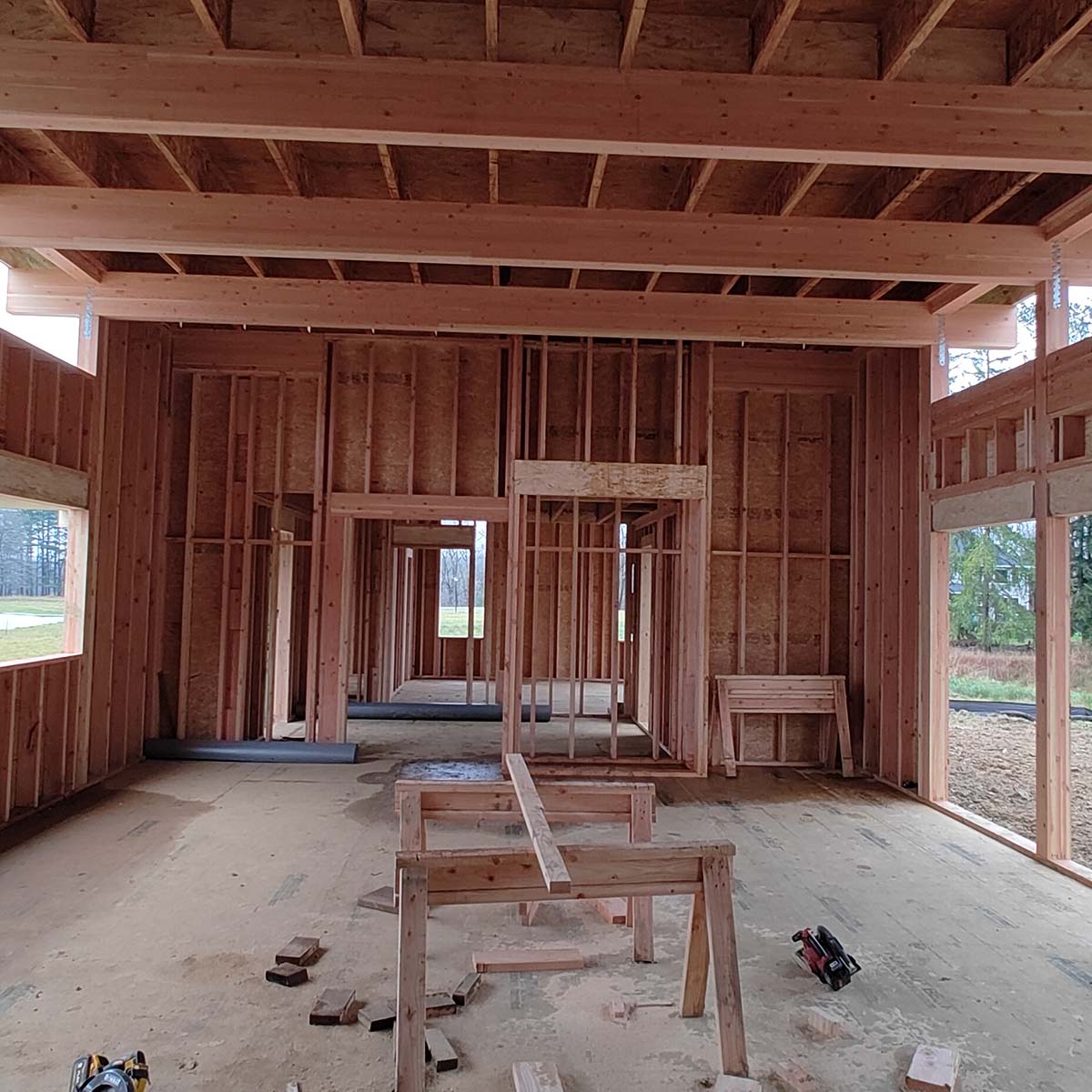
Building a new home means starting from scratch, either on a vacant lot or by replacing an existing structure. You get a fully custom design, energy-efficient construction, and modern systems tailored to today’s way of living..

Home Renovation

Renovations range from updating a kitchen or bath to adding square footage or reworking the entire floor plan. Renovations allow you to preserve what already works while improving function and aesthetics.

2. Cost Considerations

Renovation Costs

Renovations can be unpredictable. Hidden issues—like outdated wiring, structural problems, or moisture damage—often reveal themselves as work begins. While cosmetic updates may be affordable, major structural changes can quickly climb in cost.

New Construction Costs

A new home has higher upfront costs overall compared to a basic renovation, but it also includes everything: design, foundation, structure, and new systems. Because the process is planned from the beginning, costs tend to be more predictable. Plus, newer materials and building science can offer long-term savings.

Bottom Line:

 Renovation may seem cheaper at first, but extensive updates can approach or exceed the cost of a new build.

3. Design Freedom

Renovation

You’re often limited by the existing structure. Load-bearing walls, utility placements, and lot restrictions can cap what you can change without major expense.

New Home Construction

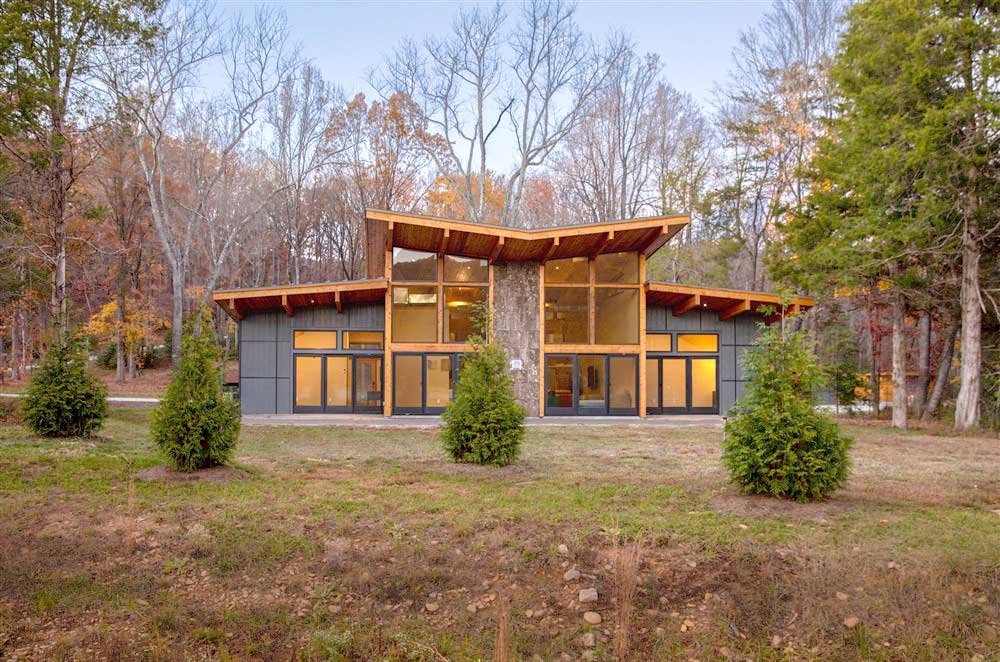
Here, the sky’s the limit. You choose the layout, materials, orientation, and special features—from oversized windows with views of Lake Erie to multi-purpose rooms and built-in flexibility for future needs.

Bottom Line:

If your vision includes specific spatial flow, energy performance, or architectural style, a custom new home is hard to beat.

Modish Sargasso Interior

4. Energy Efficiency & Maintenance

Renovation

Older homes often have dated insulation, mechanical systems, and building envelopes. Renovations can improve performance, but it may require deep upgrades to match new home standards.

New Construction

New homes integrate advanced insulation, efficient windows, modern HVAC systems, and smart home technology from day one. This translates into lower utility bills, reduced maintenance costs, and a more comfortable living environment year-round.

Bottom Line:.

From a long-term cost and comfort perspective, new homes typically deliver better performance out of the gate.

5. Location, Zoning & Site Potential

Renovation

Staying in your existing neighborhood has emotional and practical benefits. You remain near schools, friends, and community you love. But local zoning, lot size, and historic overlay districts can limit what’s possible.

New Construction

You can choose where to build based on your needs—proximity to downtown Buffalo, open land in Clarence, waterfront lots in Hamburg, or rural acreage in Western New York. Just be sure to consider zoning, setbacks, and utility access early in the process.

Bottom Line:

Renovation keeps you rooted in place, while new construction gives you strategic flexibility.

6. Timeline & Disruption

Renovation

Depending on scale, renovations can take months and disrupt daily life—especially if you’re living on site throughout the project. Temporary living arrangements or phased work may be necessary.

New Construction

A well-managed build can take roughly the same amount of time as a major renovation, but you won’t have the ongoing disruption of living in a construction zone.

Bottom Line:

If your household function is a priority, new construction paired with temporary living solutions may be more manageable.

7. Resale Value & Market Trends in Buffalo

Buffalo’s housing market has seen strong demand across all home types, especially for quality, modern builds that appeal to today’s buyers. Renovated homes in solid neighborhoods also perform well—but homes updated piecemeal may lag behind a fully thought-out design with modern layout and systems.

Bottom Line:

A thoughtfully designed and executed project—whether a renovation or new build—can pay off at resale. But brand-new homes generally command stronger interest and pricing in the current market.

So, Which Makes More Sense?

There’s no universal answer. But a simple way to approach your decision:

  • Choose renovation if your home has good bones, you love the location, and your goals can be achieved without excessive structural or mechanical overhaul.

  • Choose new construction if you want complete design control, energy-efficient performance, modern living spaces, or you’re ready to relocate to a site that better fits your lifestyle.

Talk to a Professional Early

At Modish Custom Homes, we help you explore both paths with clarity. Early collaboration with a builder and designer uncovers real costs, timelines, and design opportunities so you can make a choice that aligns with your goals and budget.

Whether you’re renovating your beloved Buffalo home or building your dream from scratch, we’re here to guide you every step of the way.

Ready to explore your options? Let’s talk.

Frequently Asked Questions (FAQs)

Why have home prices in Buffalo, NY increased so much in recent years?
Home prices have surged due to limited housing inventory, rising construction costs, increased demand, and economic factors like inflation and higher interest rates. Neighborhoods like Elmwood Village have seen particularly strong growth.
Building a new home offers customization and modern energy efficiency but often comes with higher upfront construction costs. However, the predictability of costs and control over design can make it a smart long-term investment.
Down payments vary but generally range from 5% to 20% of the home’s purchase price. With rising home prices, saving for a larger down payment can help reduce mortgage costs and improve loan terms.
As home prices increase, more people turn to renting, which drives up rent prices and reduces the availability of affordable rental units, making the rental market more competitive.
Buyers should evaluate their budget, timeline, desire for customization, and the current state of home listings. Limited inventory and rising prices make building a custom home attractive for those who want control over design and energy efficiency.

Get In Touch

"*" indicates required fields

This field is for validation purposes and should be left unchanged.
Name*

Thank you for downloading our complimentary Project Planning Workbook. Should you have any questions, please contact
chris@modishcustomhomes.com

Thank you for downloading our builder comparison guide. If you have any questions please contact chris@modishcustomhomes.com

Where should we send your Construction Comparison Guide

Your information is 100% secure and will never be shared.

By providing my email i would like Mōdish Custom Homes to continue to send me relevant material by email.

You can withdraw your consent at any time. All our correspondence includes an unsubscribe link.

Where should we send your Project Planning Pack

Your information is 100% secure and will never be shared.

By providing my email i would like Mōdish Custom Homes to continue to send me relevant material by email.

You can withdraw your consent at any time. All our correspondence includes an unsubscribe link.

Contact Details

Please fill out all required fields

"*" indicates required fields

Name*
Address*

Your information is 100% secure and will never be shared.

By providing my email I would like Mōdish Custom Homes to continue to send me relevant material by email.

You can withdraw your consent at any time. All our correspondence includes an unsubscribe link.